Chemical Name: Organopolysilazane
Chemical Category: Organopolysilazane Resin
CAS NO.: 475645-84-2
Product Description
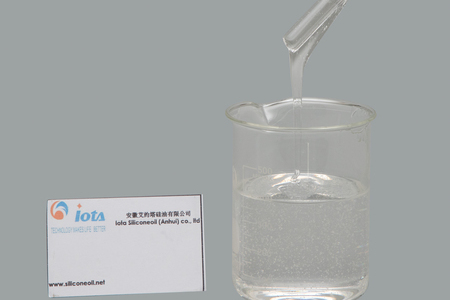
IOTA 9118 is a liquid polysilazane with a silicon-nitrogen structure and primarily vinyl functional groups, specifically designed for high-temperature coating systems. IOTA 9118 has low viscosity and good adhesion, and can be applied to various substrates, including but not limited to metals, alloys, glass, paint films, and plastics (such as PP, PC, PVC, PMMA), through various application methods such as coating, dipping, spraying, and brushing.
Technical Specifications
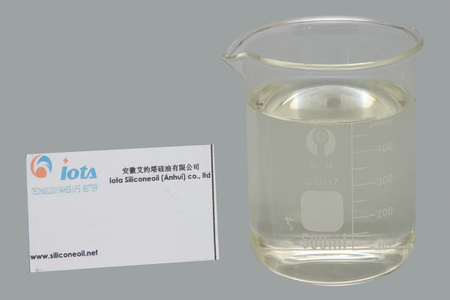
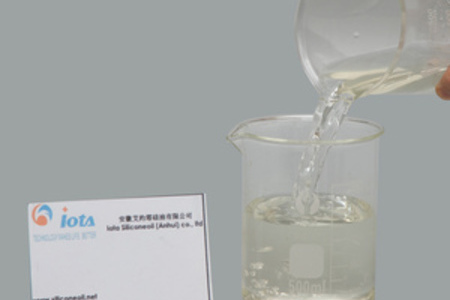
Appearance: Pale yellow transparent liquid
Molecular weight: 1200-1400
Purity: 99% or more (other contents are customized according to requirements)
Density: 0.98g/cm3-0.99g/cm3
Ceramicized density: 1.60-2.00 g/cm-3
Viscosity: 10cp-40cp
Resin cracking threshold: 100µm+
Coating Hardness after curing: 6-7H
Coating hydrophobic angle: 100°-105°
Recommended operating temperature for varnish coating: <800℃
Recommended operating temperature for main coating: <1600℃
Ceramic yield (800℃): 50%-60%
Ceramicization rate of cured product (800℃): 60%-70%
Chemical opacity: Good (O2, H2O and other gases)
Linear shrinkage: <1%
Transmittance (visible light): >95%
Metal adhesion (cross-cut test): 0 Grade
Storage period: Unopened shelf life of one year
Performance and Use
Low viscosity
High temperature resistant coating
Various curing methods
Non-flammable after curing
Anti-oxidation and anti-corrosion
Easy to clean
Good adhesion to metals, ceramics and other materials
Product Application
Coatings
Adhesives
Non-flammable composite materials
Polymer-based composite materials
Glass and abrasives
Easy to clean, such as requiring low surface tension
Curing Method and Curing Time
1. Thermal curing
- No initiator: High temperature baking above 250 degrees
- Adding peroxide thermal crosslinking agent: High temperature baking above 250 degrees
- Platinum catalyst: Curing temperature: 80℃-100℃
2. Ultraviolet curing: Adding pyrolysis photoinitiator
The resulting cured coating showed good performance in indoor environments; the toughness of the cured coating decreased significantly after 400℃.
Note
1. The functional group contained in IOTA 9118 is mainly vinyl, while polysilazane containing vinyl will be pale yellow. Meanwhile, the special additives in IOTA 9118 also cause the IOTA 9118 product to turn pale yellow. However, during the coating curing process, these additives react and the cured coating becomes colorless and transparent.
2. After being placed indoors for 3 days, the IOTA 9118 coating will result in a film with no hardness, poor adhesion, and poor transparency.
3. IOTA 9118 can be thermo-cured. Adding a thermo-crosslinking agent will lower the thermo-curing temperature and shorten the curing time. Since the amount of thermo-crosslinking agent added is extremely small, it will not significantly affect the coating's hardness, color, adhesion, or other properties.
4. After IOTA 9118 is photocured, the coating performs well at room temperature, but because the photoinitiator has poor high-temperature resistance, the coating will yellow when the temperature is raised above 300℃.
5. The operating temperature of the IOTA 9118 coating is related to the film thickness. The higher the film thickness, the better the coating's protective performance, but the more prone it is to cracking at high temperatures.
Pyrolysis Conditions
IOTA 9118 cured material undergoes high-temperature pyrolysis, first transforming into amorphous ceramics, and then yielding crystalline ceramics. Below 1400 °C, it remains an amorphous product; above 1400 °C, crystallization begins. The composition of the ceramic product is closely related to the pyrolysis atmosphere: under nitrogen or argon atmosphere, it is mainly SiC and Si3N4; under ammonia atmosphere, it is mainly Si3N4; and under air atmosphere, it is mainly SiOCN.
Furthermore, the pyrolysis of the cured material is easily affected by the filler, which influences the composition of the ceramic product.
Compatibility
Miscible with most nonpolar solvents, such as alkanes, ethers, ketones, and esters; insoluble in many alcohol ether solvents, such as diethylene glycol dimethyl ether, diethylene glycol dibutyl ether, and tetraethylene glycol butyl ether.
Mixable with many resins, such as epoxy silicone resin and organosilicon resin; mixing them can shorten the curing time and increase the resin hardness.
Handling Method
Handle in a dry, cool, and well-ventilated environment, away from heat and fire sources.
When handling, take necessary protective measures, such as gloves and masks; do not place uncured polysilazane near fire, humid air, or water.
When using polysilazane after opening, the container must be sealed immediately. After use, purge the air from the container with nitrogen/argon, then seal and store.
Unused, mixed paint cannot be recycled and should be disposed of according to local regulations.
Products past their shelf life can only be used after passing inspection.
Packaging
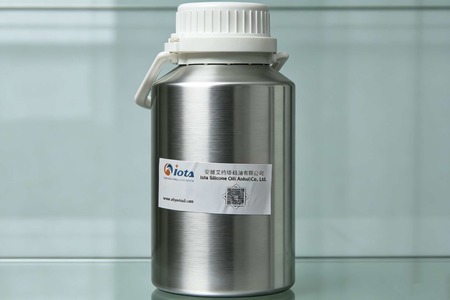
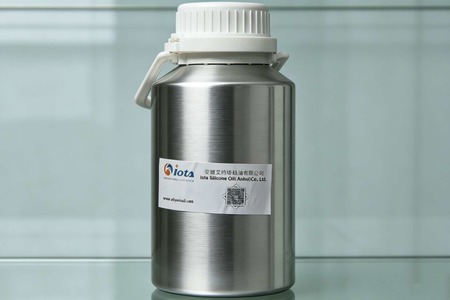
Sealed in 100ml, 1L, and 5L metal drums.
Cleaning
Proper cleaning methods are important. After use, quickly wipe tools clean with acetone or solvent oil.
Once IOTA 9118 has cured, the solvent cannot be washed off.
Precautions
Store in a dry, cool, and well-ventilated environment, away from heat and fire sources. The packaging container must be kept tightly closed and handled with care.
The storage temperature should be maintained between 0℃ and 20℃. Shelf life is 12 months.