Hits: 1 img
Ethyl Silicone Oil Technology Advances: From High-Temperature Lubrication to Precision Damping, Performance Boundaries Continuously Expand
The ethyl silicone oil industry is witnessing significant technological innovation in 2026. From high-temperature lubrication formulations to ultra-low-viscosity precision fluids, advances in synthesis and purification are expanding application boundaries and enabling new use cases across multiple high-value sectors .
Breakthrough 1: High-Purity Synthesis for Medical and Electronics Applications
Medical-grade and high-purity ethyl silicone oil variants represent a high-opportunity segment, with approximately 12% of current production dedicated to wound healing and medical formulation applications. Approximately 15% of R&D investment in the silicone oil sector is currently focused on developing pharmaceutically compatible variants .
These medical-grade oils are increasingly used in therapeutic dressings, hydrogels, and topical formulations designed to promote moisture retention and facilitate skin recovery. Additionally, nearly 8% of healthcare OEMs now integrate silicone oils into sterile packaging processing systems, representing a rapidly growing segment with strong regulatory interest and long-term demand stability .
Breakthrough 2: Ultra-Low-Viscosity and High-Viscosity Grade Development
Ethyl silicone oil product development is advancing in two distinct directions:
Ultra-High Viscosity (>50,000 cSt): These grades are designed for high-damping applications in precision instruments and heavy machinery lubrication. Synthesizing ultra-high-viscosity ethyl silicone oil requires overcoming challenges related to maintaining active centers and preventing chain transfer during polymerization, making it a technically demanding process .
Ultra-Low Viscosity (10-100 cSt): These grades are used for deep-penetration release agents and defoamers, as well as base oils for functional additives. Ultra-low-viscosity ethyl silicone oil has exceptionally high purification requirements, needing effective removal of residual monomers and oligomers .
Both product categories command significant technical premiums and serve as demonstrations of manufacturer technical capability.
Breakthrough 3: Functional Modification for Enhanced Performance
Through the introduction of polar functional groups such as amino, epoxy, and polyether groups, manufacturers are developing specialty ethyl silicone oil variants with self-emulsifying properties, enhanced adhesion, or specific surface performance characteristics . These functionalized variants open new application possibilities in:
Crosslinkable Coatings: Reactive ethyl silicone oil enables formation of durable, chemical-resistant coating systems
Personal Care Formulations: Modified ethyl silicone oil provides enhanced spreadability and skin feel for premium skincare and cosmetic products
Specialty Lubricants: Functionalized variants offer improved boundary lubrication and anti-wear properties
Product Performance Specifications
Commercial-grade ethyl silicone oil products achieve the following performance characteristics :
| Property | Specification |
|---|---|
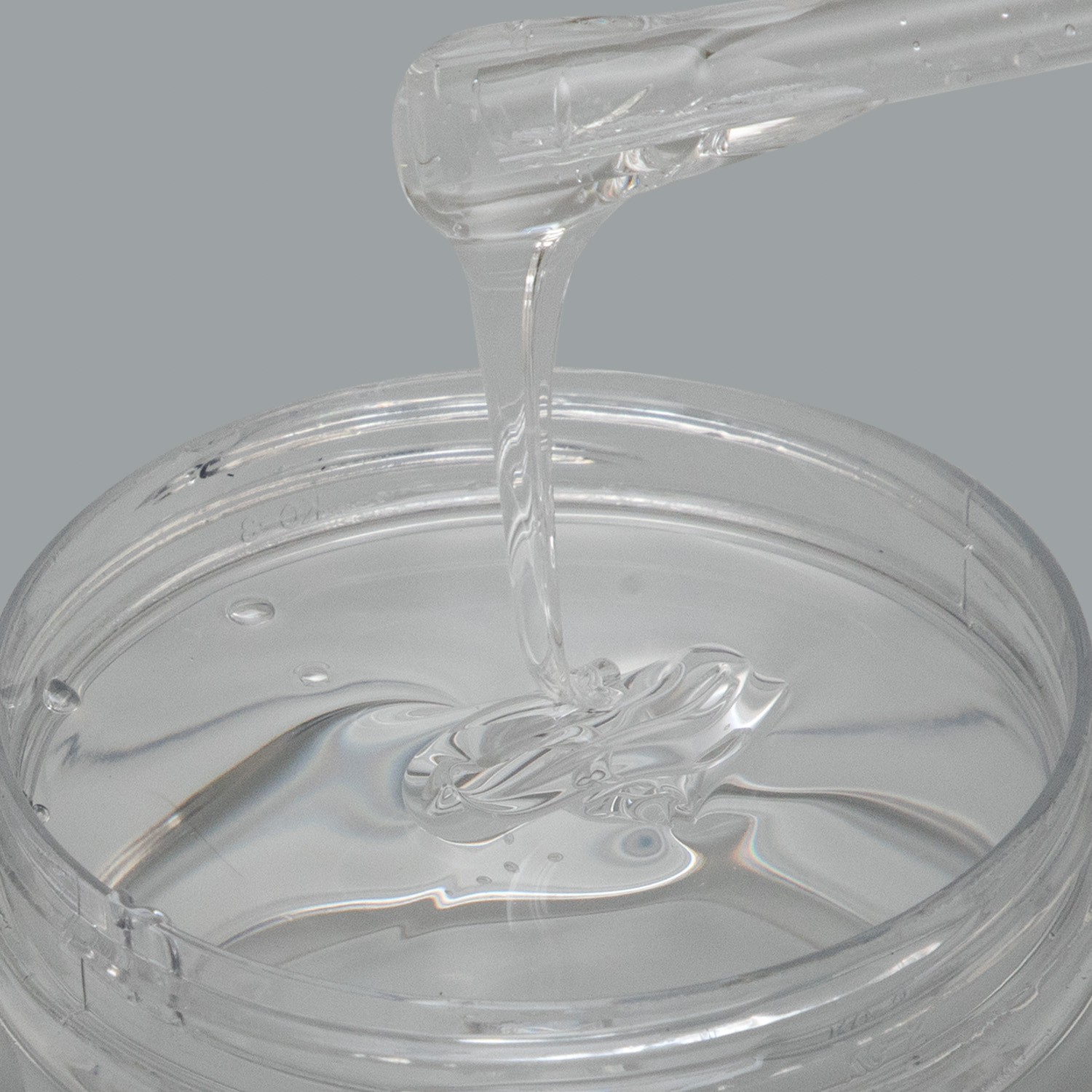
| Appearance | Colorless to light yellow transparent liquid |
| Operating Temperature | -80°C to 150°C |
| Freezing Point | Low, with no crystallization across temperature range |
| Volatility | Low, ensuring long service life |
| Toxicity | Non-toxic, non-corrosive to metals |
| Dielectric Properties | Excellent for electrical insulation applications |
Application-Specific Performance Data
High-Temperature Lubrication (40% of market): Ethyl silicone oil is used for high-temperature oven chains, textile heat-setting machine bearings, plastic hot-melt machinery guides, and aerospace engine accessory bearings. Its high thermal stability and low volatility make it superior to conventional mineral oils and standard silicone oils in these demanding applications .
Precision Instrument Damping (25% of market): Used for optical lens focusing mechanisms, measuring instrument pointer damping, audio equipment rotary shafts, and automotive instrument panel cushioning mechanisms. Ethyl silicone oil's viscosity is minimally affected by temperature changes, providing stable damping characteristics .
Specialty Release Agents (15% of market): Used for high-performance plastics (polycarbonate, polyamide), rubber products, and precision castings. Ethyl silicone oil's low surface tension and high thermal stability ensure effective release without residue .
Electronic Encapsulation and Insulation (10% of market): Used for high-voltage electronic device impregnation insulation, PCB moisture-proof coatings, and transformer filling oils. Ethyl silicone oil exhibits excellent dielectric properties and arc resistance .
Specialty Defoamers (5% of market): Used for non-aqueous systems such as inks, coatings, and lubricating oils. Its low surface tension enables rapid bubble rupture without affecting system gloss or adhesion .
Emerging Application Frontiers
Several emerging applications are creating new demand for ethyl silicone oil:
5G Communications Device Packaging: Ethyl silicone oil's dielectric properties and thermal stability make it suitable for packaging and protecting sensitive 5G electronics .
New Energy Vehicle Thermal Management Systems: As EV technology advances, demand increases for specialty thermal management fluids with wide temperature range stability and electrical insulation properties .
Semiconductor Manufacturing: High-purity ethyl silicone oil for cleanroom applications requiring ultra-low volatile content and particle-free operation.
The trend toward functionalization and application-specific formulation development is enabling ethyl silicone oil to capture value in the most demanding high-technology applications .