Hits: 6 img
From Construction Sealants to Marine Antifouling: Hydroxyl Silicone Oil Application Boundaries Continue to Expand Across Five Strategic Sectors
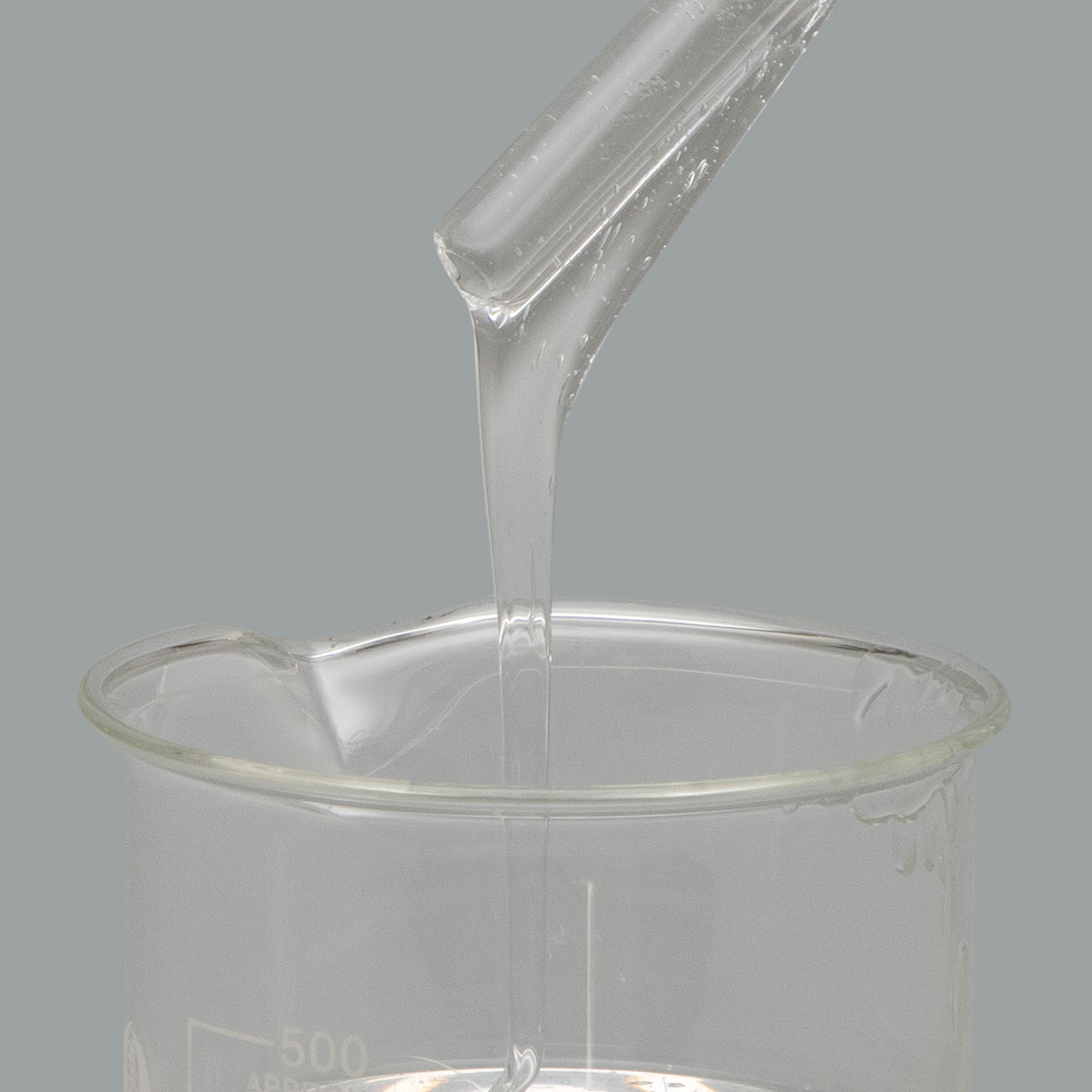
Hydroxyl silicone oil is rapidly expanding beyond its traditional strongholds in construction sealants and textile finishing into high-value applications including electronic packaging, new energy vehicles, marine antifouling coatings, personal care, and medical devices. This continuous expansion of application boundaries is unlocking significant growth potential for the hydroxyl silicone oil industry.
Application 1: Construction Sealants – The Largest and Most Stable Segment
Construction sealants remain the largest application segment for hydroxyl silicone oil, accounting for approximately 33.7% of consumption . Hydroxy-terminated polydimethylsiloxane serves as the core crosslinking component for room-temperature vulcanized (RTV) silicone rubber. When combined with crosslinkers (such as methyltrimethoxysilane or tetraethyl orthosilicate) and catalysts (such as organotin or titanates), it undergoes condensation reactions at room temperature to form crosslinked networks, imparting excellent elasticity, adhesion, and weather resistance to sealants .
Different viscosity grades serve different construction scenarios:
Low Viscosity Products: Used as additives in waterproofing materials, enhancing hydrophobicity and water resistance for applications such as roofs and bathrooms
Medium to High Viscosity Products: Used for modifying insulation materials, improving high-temperature resistance and thermal insulation effects
High Viscosity Products: Used in structural sealants for doors, windows, curtain walls, and roofs, providing excellent mechanical properties and durability
With the advancement of national urban renewal and infrastructure development policies, the building repair and protection market continues to expand, providing stable market demand for hydroxyl silicone oil .
Application 2: Textile Processing – Traditional Stronghold with Continuous Upgrade
The textile industry represents another major application area for hydroxyl silicone oil. Different types of hydroxyl silicone oil are suitable for multiple stages of textile production, with the core function of enhancing fabric functionality and comfort .
Low-viscosity hydroxyl silicone oil is used as a fabric finishing agent for cotton, linen, synthetic fibers, and knitted fabrics. It forms a breathable protective film on fabric surfaces, imparting a soft, smooth, and crisp hand-feel while improving antistatic, wrinkle-resistant, and water-repellent properties . It also reduces fabric wear, making fabrics less prone to pilling and fading. As the textile industry transforms toward high-end and green production, low-volatility, high-activity, environmentally friendly hydroxyl silicone oil has become mainstream in the market .
Hydroxyl silicone oil can also be used as a defoamer and dispersant in textile printing and dyeing processes, improving dye dispersibility, enhancing printing uniformity, reducing defects such as color spots and color differences, while reducing energy consumption and pollutant emissions—aligning with the textile industry's green upgrade trend .
Application 3: Electronic Packaging and New Energy Vehicles – The Fastest-Growing Segment
Electronic packaging is the fastest-growing application segment for hydroxyl silicone oil. Driven by 5G communications, new energy vehicles, and photovoltaic power generation, demand for high-purity, low-ion-content, high-insulation electronic-grade hydroxyl silicone oil has surged .
In electronic potting applications, hydroxyl silicone oil serves as a key raw material for liquid silicone rubber (LSR) and high-temperature vulcanized (HTV) silicone rubber. The demand for high-purity hydroxyl silicone oil in fields such as 5G base stations and power transformers has surged, with volume resistivity exceeding 10¹⁴Ω·cm and temperature resistance ranging from -50°C to 200°C, effectively addressing performance degradation issues of traditional insulating materials .
In new energy vehicles, hydroxyl silicone oil-based potting compounds are used for insulating protection of high-voltage components including battery management systems (BMS), on-board chargers, and DC-DC converters. With domestic technological breakthroughs, the output growth rates of domestic high-viscosity and ultra-high-purity hydroxyl silicone oil reached 13.7% and 16.2% respectively in 2025, far exceeding the industry average .
Application 4: Marine Antifouling Coatings – An Emerging Blue Ocean
The 2026 patent for micro-nano self-wrinkling hydrogel silicone antifouling coatings based on acrylic-modified maleic acid dihydroxy silicone oil resin represents a significant breakthrough for hydroxyl silicone oil in marine engineering . Achieving 12-15% drag reduction and 12-15% energy savings in vessel navigation tests, this technology demonstrates substantial economic benefits .
Unlike traditional antifouling coatings that rely on toxic substances (organotins, cuprous oxide) to kill marine organisms, this technology uses a physical antifouling mechanism. The micro-nano self-wrinkling surface creates a lotus leaf effect that resists marine bioadhesion, and even when organisms attach, they are easily detached under shear force. This environmentally friendly approach aligns with International Maritime Organization (IMO) trends toward higher environmental standards for antifouling coatings .
Application 5: Personal Care and Cosmetics – High-Value Market
Personal care represents a high-value application segment for hydroxyl silicone oil. The global cosmetics market's expansion, projected to grow at an annual rate of about 5%, directly translates to increased consumption of high-performance silicone ingredients . Hydroxyl silicone fluids are prized for their ability to impart a smooth, silky feel, reduce tackiness, and enhance spreadability in lotions, sunscreens, and hair conditioners .
However, this segment also has the highest purity requirements. With the D4 prohibition regulation taking effect in 2028, controlling D4, D5, D6, and other cyclic siloxane residues below 0.1% is essential for accessing the cosmetics supply chain. Manufacturers that successfully meet these requirements through advanced purification technologies can command premium pricing in this high-value segment .
High-End Specialization: From Commodity to Strategic Material
Industry analysis indicates that the hydroxyl silicone oil market is shifting decisively from commodity competition toward high-value specialization . Key trends include:
High-End Product Demand Accelerating: Output growth rates for high-viscosity and ultra-high-purity products (13.7% and 16.2% respectively in 2025) far exceed industry averages. Electronic-grade, medical-grade, and cosmetic-grade products command significant price premiums over industrial-grade products .
Export Growth and Quality Certification: Some domestic products have passed international certifications such as EU REACH and RoHS, with export volume reaching 53,000 tons, of which 81.6% have passed EU SVHC (Substances of Very High Concern) screening .
Green Compliance as Market Entry Threshold: The D4 prohibition and other environmental regulations will accelerate industry consolidation, eliminating outdated capacity lacking low-cyclic production capabilities .
Domestic Substitution Accelerating: With domestic technological breakthroughs, import dependence for high-end products continues to decline. Some products have already passed EU REACH and RoHS certifications, positioning domestic manufacturers to capture increased market share in high-value segments .
Future Outlook: 2026-2034 Market Prospects
Looking ahead to 2026-2034, the hydroxyl silicone oil market will exhibit several key trends :
1. Sustained Market Expansion: The global hydroxy silicone fluid market is projected to grow from USD 475.6 million in 2025 to USD 722.3 million by 2034 at a 4.8% CAGR, with volume growing from 78.5 kilotons to 115.2 kilotons .
2. Premiumization Accelerating: High-purity, low-volatility, low-ion-content specialty hydroxyl silicone oil for electronics, medical, and personal care applications will significantly outpace commodity-grade growth.
3. Green Compliance as Market Entry Threshold: D4 prohibition, EU REACH, and other environmental regulations will accelerate industry consolidation, eliminating outdated capacity lacking low-cyclic production capabilities.
4. Application Diversification Widening: Beyond traditional construction and textile sectors, emerging applications in electronic packaging, new energy vehicles, marine antifouling, medical devices, and personal care will continue to increase their share of total consumption.
5. Domestic Substitution Deepening: As domestic manufacturers continue to achieve technological breakthroughs and expand capacity, import dependence for high-end hydroxyl silicone oil will continue to decline.
The hydroxyl silicone oil industry is poised for sustained, value-driven growth. Companies that successfully navigate the transition from commodity production to high-value specialization—investing in low-cyclic purification technology, application-specific formulation development, and green manufacturing processes—will be best positioned to capture emerging opportunities in this dynamic market.