Hits: 68 img
Phenyl-Modified Silicone Oil Market Gains Momentum: Global Sales Projected to Reach USD 165 Million by 2032, Driven by High-End Electronics and Aerospace
The global phenyl-modified silicone oil market continues to demonstrate robust growth in 2026, powered by surging demand from high-tech sectors including AI infrastructure, aerospace, automotive electronics, and premium personal care. According to the latest data released by leading market research institutions such as QYResearch, the global market for phenyl-modified silicone oil was valued at USD 111 million in 2025 and is forecast to reach USD 165 million by 2032, representing a compound annual growth rate (CAGR) of 5.8% between 2026 and 2032.
What Makes Phenyl Silicone Oil Unique
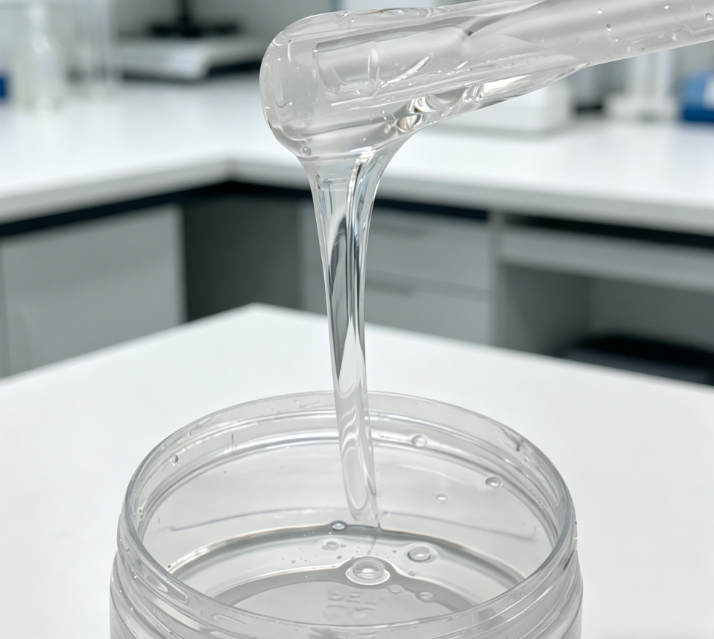
Phenyl-modified silicone oil is a specialty silicone fluid where phenyl functional groups are introduced onto the siloxane backbone. While retaining the excellent high and low-temperature resistance and chemical stability of conventional silicone oils, the incorporation of phenyl groups significantly enhances several critical properties: thermal stability, lubricity, film-forming ability, high gloss, and notably, a high refractive index.
Segment Analysis and Regional Dynamics
The phenyl silicone oil market is segmented by product type into low-phenyl, medium-phenyl, and high-phenyl content categories. Medium-phenyl silicone oils currently command a dominant market share due to their optimal balance of performance and cost-effectiveness.
In terms of production, global output reached approximately 7,800 tons in 2025, with an average selling price of around USD 14,270 per ton. The industry maintains healthy average gross margins between 20-30%, reflecting its technology-intensive nature and high barriers to entry.
Regionally, North America and Europe have traditionally led the market, supported by advanced aerospace and electronics industries. However, China is emerging as the fastest-growing regional market. The "domestic substitution" policy, combined with breakthroughs in key monomer synthesis technologies, is rapidly transforming the competitive landscape. Chinese manufacturers are increasingly capturing market share in applications ranging from smartphone waterproofing to EV battery thermal management and 5G infrastructure.
Strategic Importance of Upstream Raw Materials
The upstream supply chain for phenyl silicone oil centers on phenylchlorosilane monomers produced via direct synthesis. The production of high-purity phenylchlorosilane has long been a technological bottleneck, limiting the growth of the domestic industry. Recent breakthroughs in monomer synthesis are now reducing costs and improving supply chain security, enabling domestic players to compete more effectively with established international manufacturers including Dow, Wacker Chemie, Shin-Etsu Chemical, and KCC Corporation.