Hits: 108 img
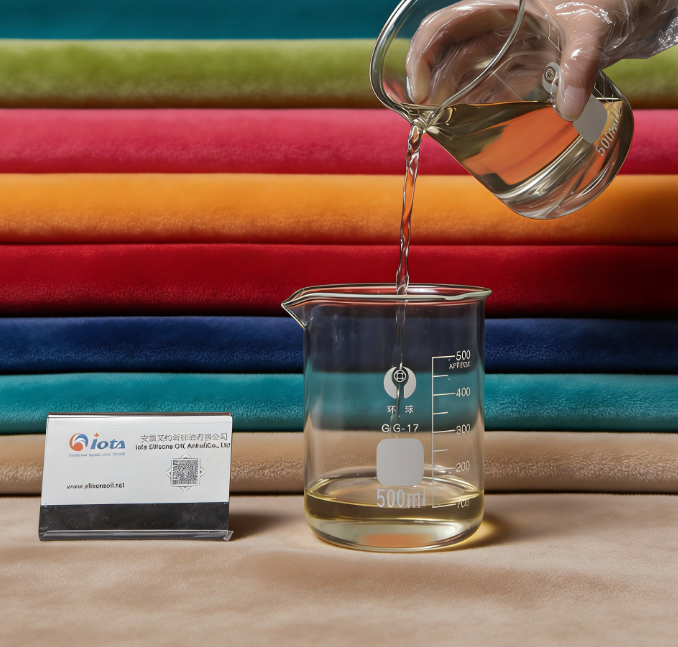
As AI large language models drive exponential growth in computational demands, chip Thermal Design Power (TDP) has surpassed 1000W, pushing traditional air cooling to its physical limits. Immersion cooling technology — submerging server components in dielectric fluid — has emerged as the critical solution for high-density thermal management. In 2026, a major breakthrough in low-dielectric phenyl silicone oil coolant has achieved a dielectric constant as low as 2.06, positioning domestic innovation at the forefront of next-generation thermal management for AI servers and supercomputing centers.
For high-performance computing applications — AI training clusters, advanced semiconductor manufacturing (sub-3nm processes), and hyperscale data centers — heat flux densities have outpaced the capabilities of conventional cooling architectures. Immersion cooling offers a transformative alternative, reducing data center Power Usage Effectiveness (PUE) to below 1.1, representing energy savings of over 30% compared to traditional air-cooled facilities.
This technology pathway imposes stringent requirements on the dielectric cooling fluid:
Ultra-low dielectric constant: Ensures signal integrity during high-frequency transmission
Exceptional thermal stability: Remains stable under prolonged high-temperature operation
Material compatibility: Zero corrosion of copper, aluminum, and sealing materials
High flash point: Enhanced safety for data center operations
The breakthrough in phenyl silicone oil coolant lies in precision molecular engineering. By incorporating bulky phenyl groups into the polysiloxane backbone, researchers have achieved multiple performance enhancements:
Dielectric Optimization: The introduction of phenyl groups effectively reduces both dielectric constant and dissipation factor. The newly developed low-dielectric phenyl silicone oil coolant achieves a dielectric constant of just 2.06, significantly outperforming comparable international products rated at 2.26.
Thermal Stability Enhancement: The rigid structure of phenyl groups strengthens molecular chain stability. Test data confirms zero decomposition after 1,000 hours of continuous operation at 200°C.
Safety Characteristics: The elevated flash point substantially reduces operational safety risks, meeting stringent fire safety requirements for data center facilities.
| Parameter | Achieved Value | Significance |
|---|---|---|
| Dielectric Constant | 2.06 | Superior signal integrity |
| Thermal Stability | 1000h @ 200°C no decomposition | Long-term reliability |
| Material Compatibility | Zero corrosion on Cu/Al | Hardware protection |
| Flash Point | Elevated | Enhanced safety |
In catalyst technology, researchers have adopted novel catalytic systems enabling controlled polymerization of phenyl silicone oil. By precisely tuning phenyl content (5%-55% by mass) and molecular weight distribution, products tailored to diverse application requirements can be produced.
In purification, triple-stage molecular distillation technology has achieved product purity exceeding 99.98%, with metal ion content below 5 ppm and volatile impurities controlled to surpass international standards. This high purity is essential for semiconductor packaging and electronic-grade applications.
The low-dielectric phenyl silicone oil coolant is currently undergoing validation trials at leading domestic supercomputing centers. Early adoption feedback indicates:
Compatible Applications:
AI server immersion cooling systems
Supercomputing center high-density compute nodes
Edge computing compact thermal solutions
5G base station high-power device cooling
According to QYResearch, the global phenyl-modified silicone oil market reached 111millionin2025,withprojectionstoreach111millionin2025,withprojectionstoreach165 million by 2032, representing a CAGR of 5.8%. The electronics segment — including immersion cooling — represents the fastest-growing application sector.
Industry forecasts suggest that immersion cooling penetration in the data center thermal management market will increase from less than 5% currently to over 20% by 2030. Phenyl silicone oil coolant is positioned as the critical material enabling this transformation, with addressable market potential exceeding the billion-dollar threshold in China alone.
As AI compute demand continues its relentless growth and the "East Data West Computing" national initiative advances, immersion cooling technology adoption is poised for rapid acceleration. Low-dielectric phenyl silicone oil coolant stands as the foundational material for this cooling revolution.