Hits: 176 img
From Battery Thermal Management to Chip Encapsulation: Vinyl Silicone Oil Powers EVs and Electronics
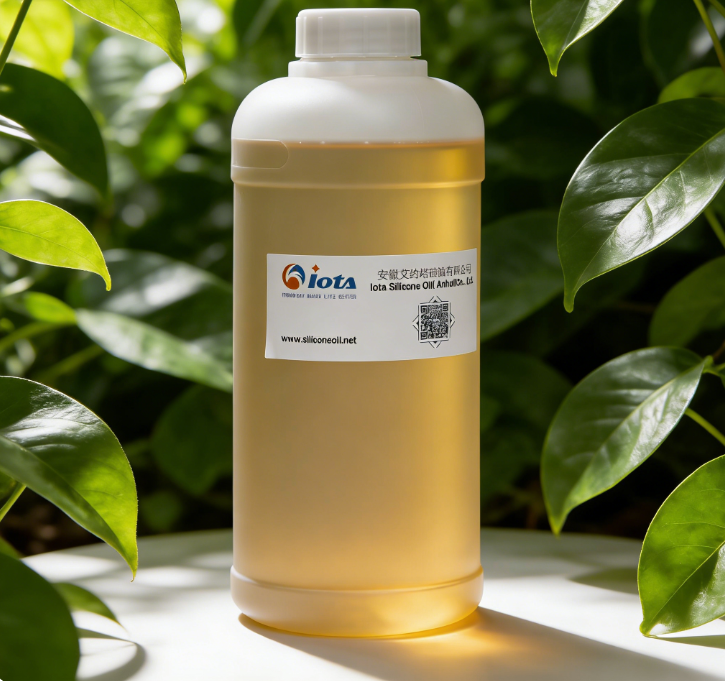
In the world of high-performance materials, vinyl silicone oil is uniquely positioned as a bridge between extreme operating conditions and precision manufacturing. From EV power batteries to AI server immersion cooling, from baby pacifiers to implantable medical devices, this seemingly "invisible" material is providing critical solutions across countless industries.
Application 1: Power Batteries – The First Line of Defense for Safety
Thermal management of power batteries is a core safety challenge for new energy vehicles. In current mainstream LFP and ternary battery packs, flame-retardant addition-cure LSR has become the standard material for cell module sealing, cell potting, and coolant line bonding. High-end models now use 1.8-2.5 kg of silicone per vehicle—nearly double the amount in 2024.
Vinyl silicone oil plays the role of a "flowing framework." As the base polymer for thermal gels, high-purity linear vinyl silicone oil (viscosity 50-1000 cSt) provides low thermal resistance, requiring metal ions below 1 ppm and volatility below 1% @150℃ to prevent precipitation and channel blockage. Moreover, in battery housing sealants, vinyl silicone oil participates in crosslinking, ensuring the sealant maintains >300% elongation at break during -40℃ to 120℃ thermal cycling, effectively resisting vibration and thermal expansion stresses.
Application 2: Immersion Cooling – The "Liquid Foundation" for AI Computing
With the explosive growth of AI computing power demand, data center cooling technology is undergoing a revolutionary shift from air cooling to liquid cooling. Immersion cooling fluids, as the medium directly contacting chips, demand exceptional dielectric properties, chemical inertness, and thermal stability.
Low-viscosity (<5 cSt), high-flashpoint (>180℃) modified vinyl silicone oil is becoming a popular choice in this field. Its excellent dielectric strength and material compatibility allow it to efficiently dissipate chip heat without corroding copper foils or aluminum casings. The new Zhuhai high-end organosilicon project that broke ground in 2026 has identified immersion cooling fluid as one of its core products, targeting the blue ocean market of AI computing infrastructure.
Application 3: Electronic Packaging – The "Protective Coating" for Chips
In the semiconductor packaging field, electronic-grade vinyl silicone oil is the core raw material for IGBT potting compounds, thermal gels, and high-frequency copper-clad laminates. Its purity directly determines the reliability and service life of electronic devices.
For cutting-edge applications such as AI chip packaging and IGBT thermal gels, electronic-grade silicone oil must meet stringent metrics: total sodium and potassium ions below 0.5 ppm, D4/D5 cyclic residue controlled under 50 ppm, and products must pass international quality system certifications such as IATF 16949 or ISO 13485. Domestic industry leaders are now tackling the "purity" and "certification" barriers by introducing ICP-MS full-process testing technology, aiming to achieve breakthroughs in this market long dominated by international giants.
Application 4: Medical and Food – Safety-First "Gentle Contact"
In the medical field, vinyl silicone oil is used to produce infusion tubes, catheters, baby pacifiers, and other products that come into direct contact with the human body or food. This demands exceptional biocompatibility, low volatility, and non-toxicity.
Addition-cure LSR, with its by-product-free vulcanization, minimal shrinkage, and deep curing capabilities, has become the preferred material for precision medical devices. Medical-grade vinyl silicone oil, as its base raw material, must pass ISO 10993 biocompatibility testing and meet USP Class VI standards. Through self-developed molecular distillation technology, some domestic manufacturers have reduced D4 residues in medical-grade hydroxy silicone oil to below 10 ppm, obtained CE certification, and successfully entered the supply chains of European catheter manufacturers.
Industry Insight: Customization Becomes the New Competitive Focus
As application scenarios continue to diversify, standardized products can no longer meet multifaceted demands. Industry analysis indicates three major trends for the future development of vinyl silicone oil: first, improving comprehensive performance through nanomaterial introduction and functional modification (flame retardancy, thermal conductivity, electrical conductivity); second, evolving toward ultra-high molecular weight and narrow distribution to meet high-end precision molding requirements; and third, developing low-cyclic, low-volatility environmentally friendly products to adapt to increasingly stringent regulatory requirements. Suppliers capable of deeply understanding downstream scenarios and delivering "material + process" integrated solutions will stand out in the next round of competition.