Hits: 222 img
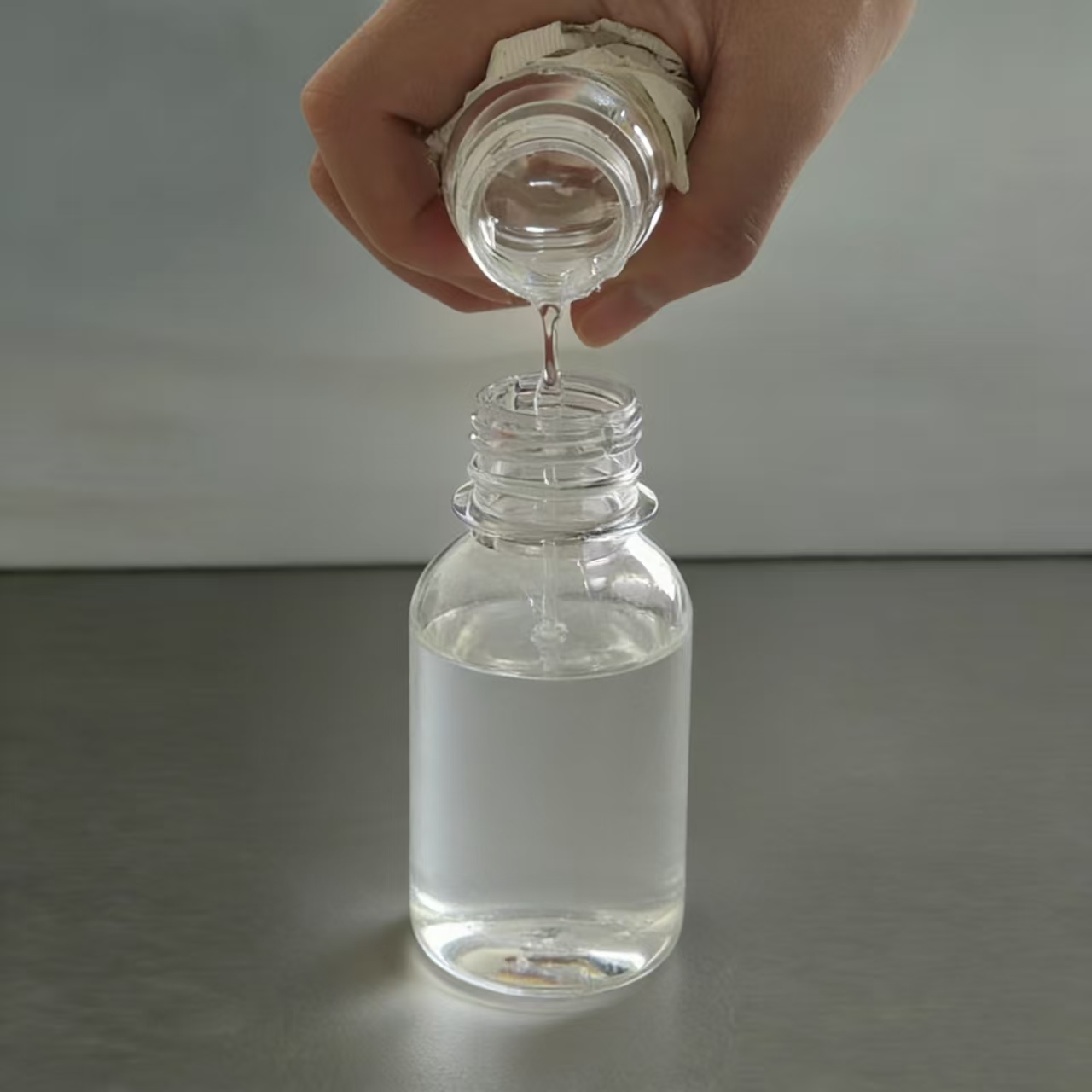
Hydrogen-containing silicone oil (polymethylhydrosiloxane, PMHS) is undergoing a significant technical transformation. With rising demand for low-cyclic, low-volatile organic compounds (VOC) products from textile, personal care, and electronics industries, manufacturers have introduced improved heterogeneous catalysis and molecular distillation technologies. The result is a new generation of PMHS featuring ultra-low cyclics content (<0.2% total D3–D6), customizable viscosity, and stable Si–H activity.
Traditional Limitations
Conventional PMHS produced via sulfuric acid‑catalyzed equilibration of D4 and high‑hydrogen silicone oil typically contains 1.2–2.5% low‑molecular‑weight cyclics. These residues cause unpleasant odors during high‑temperature processing, raise environmental concerns, and fail to meet tightening global regulations (e.g., EU REACH restrictions on D4/D5/D6). Moreover, residual acid or metal catalysts can reduce the Si–H content over time, leading to batch‑to‑batch inconsistency.
Breakthrough Technologies
Solid‑acid catalysts (modified zeolites, ion‑exchange resins) allow reaction temperatures of 50–70°C instead of 80–100°C. The process eliminates water washing and neutralization steps, cutting wastewater by more than 85%.
Short‑path molecular distillation removes cyclics down to below 0.2% total while preserving the hydrogen content at 1.58±0.02%. Light transmittance at 425 nm can reach 98% or higher.
New Performance Benchmarks
| Parameter | Conventional | Upgraded PMHS |
|---|---|---|
| Volatiles (150°C, 3h) | 1.5–3.0% | ≤0.5% |
| Hydrogen content | 1.55%±0.05% | 1.58%±0.02% |
| Viscosity (25°C) | 20–50 mm²/s | 15–200 mm²/s (adjustable) |
| Total cyclics (D3–D6) | 1,000–2,500 ppm | <200 ppm |
Downstream Impact
Textile finishing: reduced smoke emissions during stenter frame drying.
Personal care: compliance with EU “cyclic‑free” claims.
Electronics: low outgassing suitable for optical encapsulation.
Outlook
The market will further segment into ultra‑low cyclics grades (≤100 ppm) for high‑reliability applications and cost‑effective standard grades for construction waterproofing. Producers investing in distillation trains will capture the premium segment.