Hits: 271 img
As the April 1, 2026 deadline approaches, China's hydrogen silicone fluid industry stands at a critical policy inflection point that will fundamentally reshape global supply dynamics and accelerate the industry's transition from volume-driven expansion to value-driven competitiveness.
The impending removal of the 13% export tax rebate on primary shaped polysiloxanes—under which hydrogen silicone fluid is classified—represents more than a fiscal adjustment. It signals a strategic policy shift away from subsidizing commodity-grade exports and toward encouraging domestic producers to move up the value chain. With Chinese polysiloxane capacity now accounting for over 70% of global supply, the ripple effects of this policy change will be felt across downstream industries worldwide, from textile manufacturing hubs in Southeast Asia to construction chemical markets in Europe and beyond.
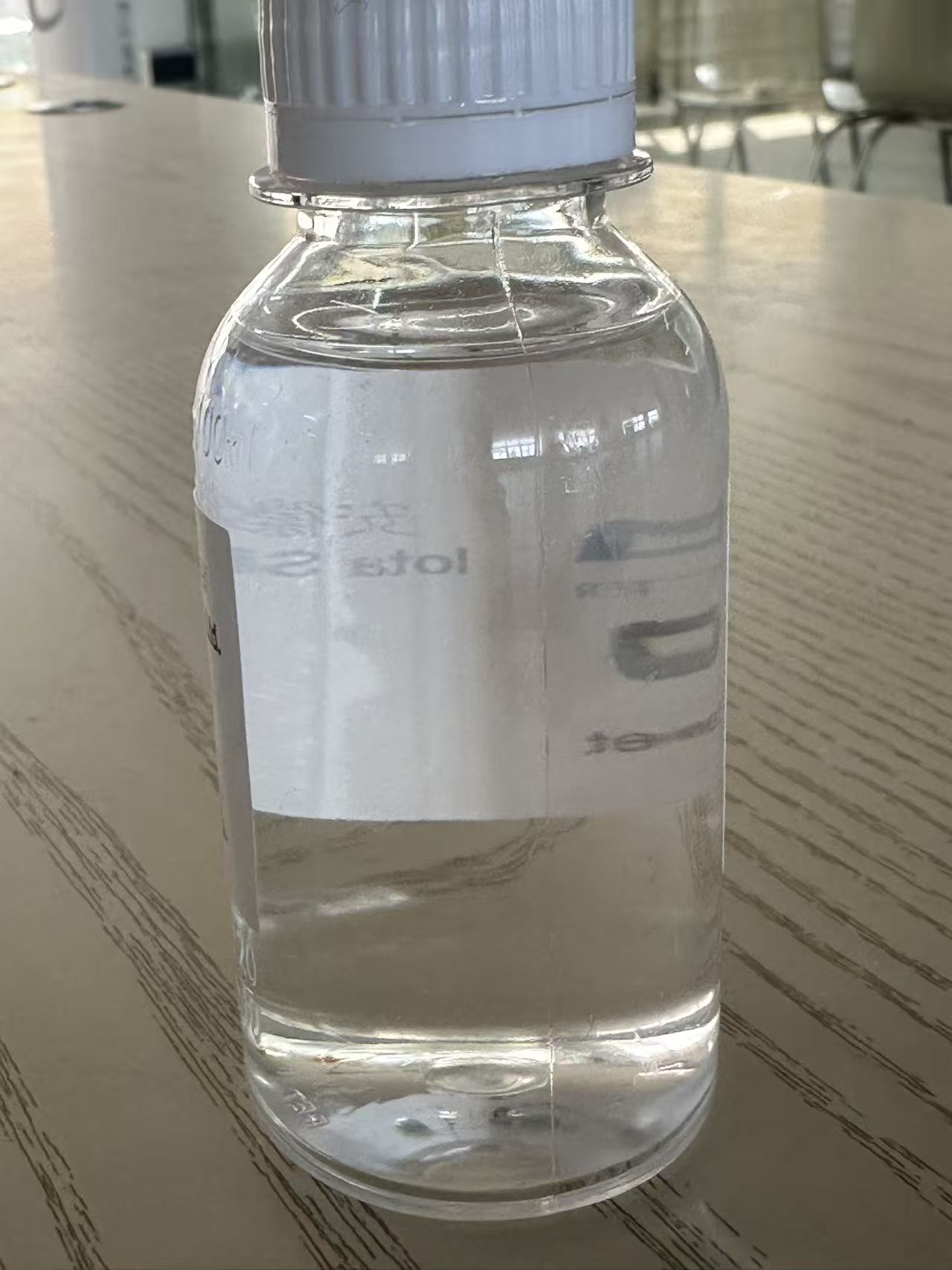
Hydrogen silicone fluid occupies a unique position within the silicone oil family due to its reactive silicon-hydrogen (Si-H) bonds. This molecular architecture enables crosslinking reactions in the presence of metal catalysts, allowing the formation of durable water-repellent films on virtually any substrate. These properties have made hydrogen silicone fluid indispensable in textile water-repellent finishing, building materials waterproofing, crosslinking agent applications, and as an intermediate in the synthesis of more complex silicone derivatives.
The three-month transition period between the policy announcement and its April implementation has triggered a classic "rush to export" phenomenon. Overseas customers, seeking to avoid the 13% cost increase that will take effect in April, are accelerating order placements. This demand front-loading, combined with coordinated supply-side adjustments, is expected to drive hydrogen silicone fluid prices upward through the first quarter. However, industry analysts caution that the second quarter will likely bring a short-term demand vacuum as pre-ordering depletes near-term requirements, potentially leading to temporary market softness.
The extent to which export tax rebate removal will impact different market segments requires careful stratification. On one hand, China's dominant position in global polysiloxane production—coupled with ongoing capacity withdrawals of approximately 145,000 tonnes overseas during 2026—means that foreign buyers have few viable alternative sources. This supply inelasticity suggests that a meaningful portion of the cost increase can be passed through to international customers. On the other hand, smaller producers lacking pricing power and product differentiation face significant margin compression, accelerating the ongoing industry consolidation trend.
For hydrogen silicone fluid specifically, the policy change comes at an opportune moment. The global market for hydrogen silicone fluid was valued at approximately $467 million in 2025, with China alone accounting for 36% of global consumption. Products with hydrogen content between 1.5% and 1.6% dominate the market, representing roughly 81% of total volume. This specification has become the industry standard because it balances sufficient reactivity for crosslinking applications with manageable processing stability and safety considerations.
Textile processing remains the largest downstream market, claiming approximately 42% of global consumption. The building materials waterproofing sector follows as the second-largest application area. Both segments are concentrated in rapidly industrializing economies where infrastructure development and manufacturing activity continue to expand. The Asia-Pacific region's dominance in hydrogen silicone fluid consumption—accounting for nearly half of global demand—reflects the convergence of massive textile processing industries in China, India, and Southeast Asia with ambitious infrastructure spending across the region.
Looking beyond the immediate policy turbulence, the long-term trajectory for hydrogen silicone fluid remains constructive. The combination of continued industrialization in emerging economies, technical upgrading requirements in textile and construction industries, and emerging applications in renewable energy and electronics encapsulation will sustain demand growth. The key question is not whether the market will grow, but rather which producers will capture the value—those competing on price alone or those investing in application development and product differentiation.