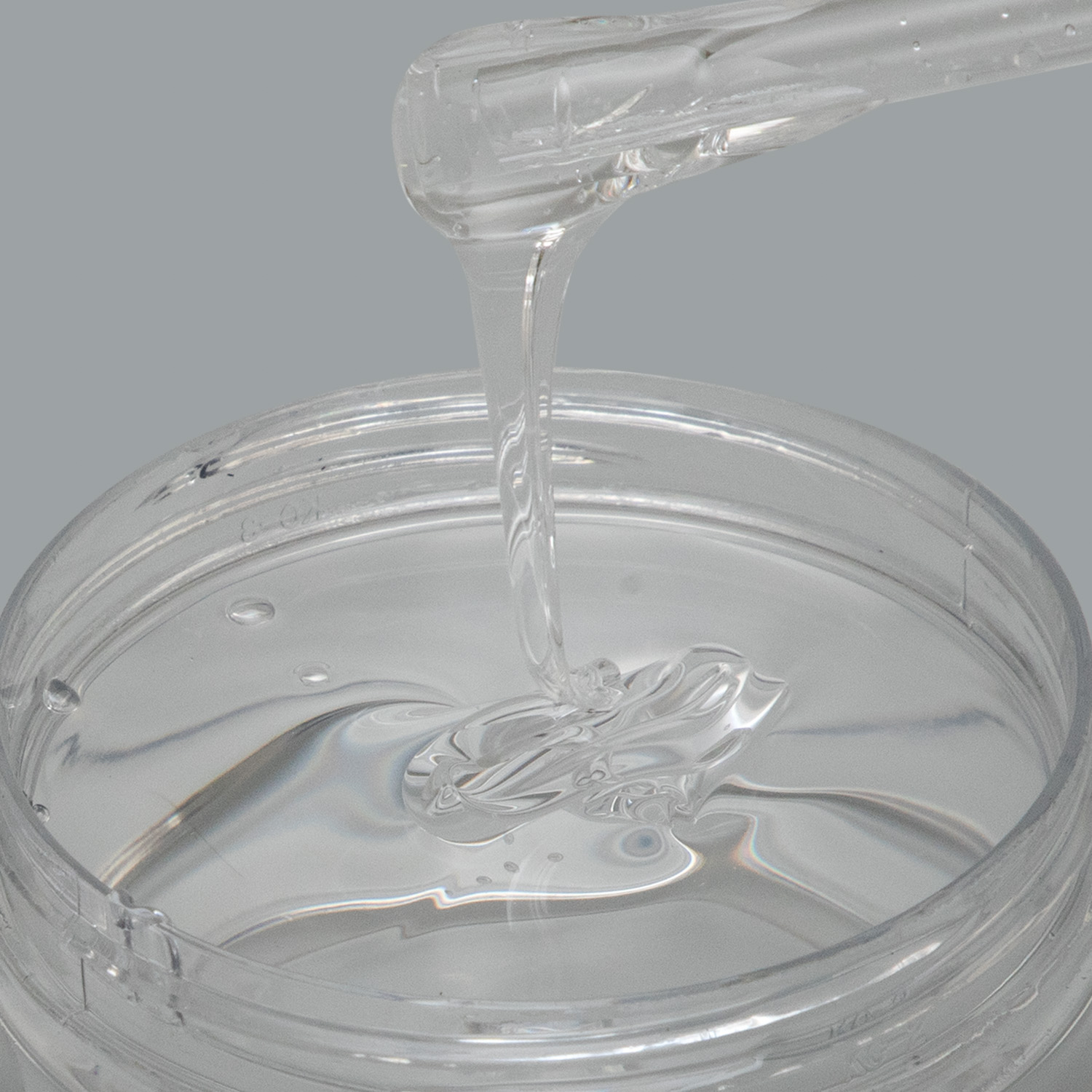
Hydroxy Silicone Oil: Advanced Coatings Research Reveals Self-Healing Properties in Marine Environments
Scientific Breakthrough
BEIJING – A groundbreaking study published in Advanced Materials (2026) has revealed the critical role of Hydroxy Silicone Oil in next-generation marine antifouling coatings. The research, led by X. Zang and colleagues, details the development of a heterogeneous-network Slippery Liquid-Infused Porous Surface (SLIPS) that utilizes silicone oil as the primary lubricating fluid.
The study highlights that the integration of hydroxy-functionalized copolymers within the coating matrix allows for autonomous self-healing capabilities. When the surface is damaged, the fluidity of the silicone oil—enhanced by hydroxyl interactions—allows the coating to repair itself in both aerial and underwater conditions.
Performance Validation
Field tests conducted in real seawater environments over 90 days demonstrated remarkable durability. The coating successfully repelled bacteria, algae, and even highly viscous crude oil. The transmittance of the coating decreased by only 5.8% over the three-month period, marking a significant advancement in SLIPS technology.
“This synergy between the rigid framework and the soft, dynamic network—where the hydroxy silicone oil acts as the mobile phase—addresses key limitations in current antifouling technologies,” the paper noted. This development is poised to impact the shipping and offshore energy industries significantly, offering a viable pathway toward long-term maintenance cost reduction.