Hits: 287 img
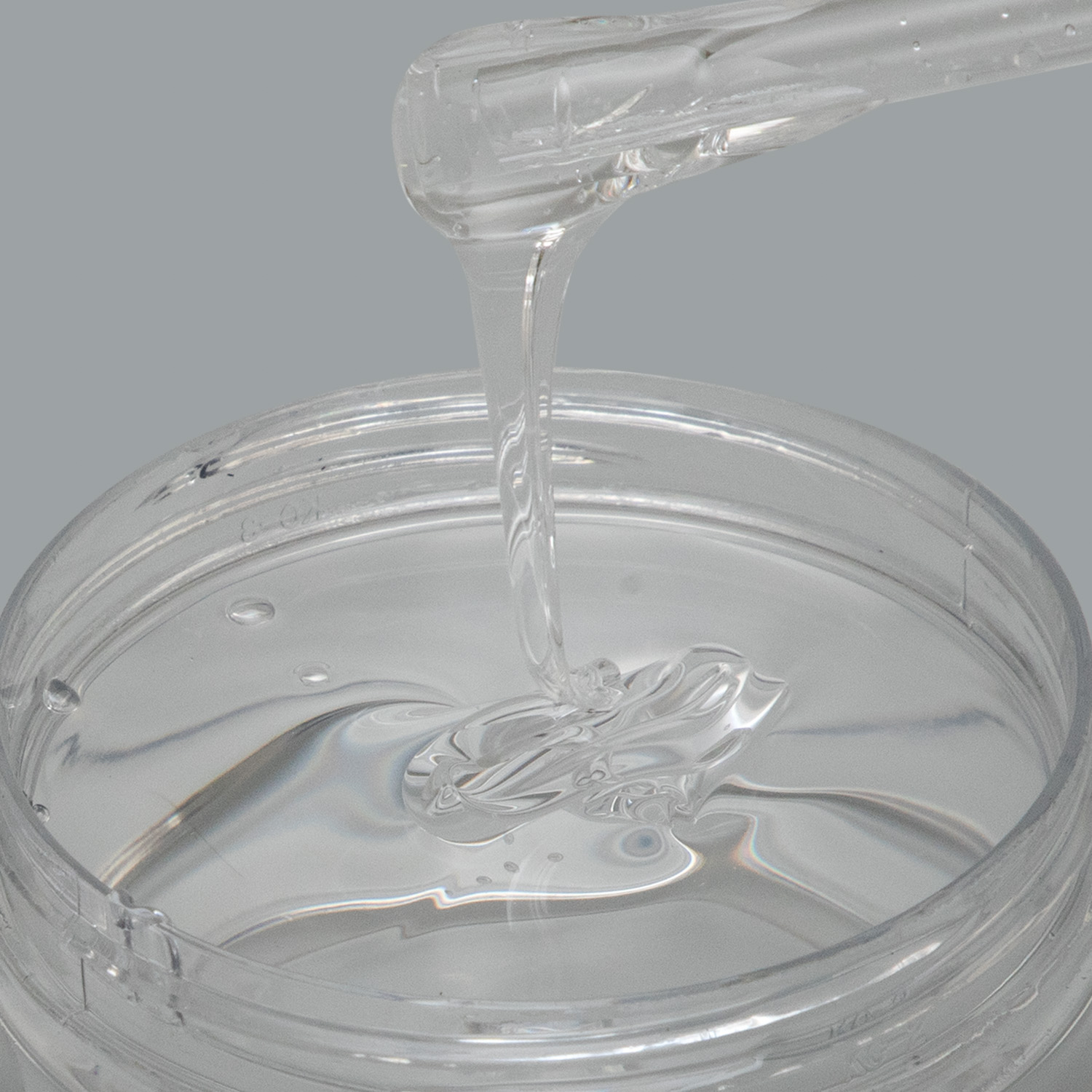
Hydroxyl Silicone Oil:The Silent Powerhouse of Performance Modification
Date: April 18, 2026
Often overlooked, Hydroxyl Silicone Oil (α,ω-dihydroxy Polydimethylsiloxane) is the quintessential "auxiliary" material that enables the superior performance of many high-end silicone products. In 2026, this reactive fluid, terminated with silicone-hydroxyl (Si-OH) groups at both ends, continues to play its critical, behind-the-scenes role as a structure control agent for silicone rubber compounding, a chain extender in sealants, and a key component in specialty firestop materials and personal care formulations.
The most significant market for hydroxyl silicone oil in 2026 remains the silicone rubber industry. High-performance silicone rubber is reinforced with fumed silica to achieve useful mechanical strength. However, the untreated silica surface is covered in silanol groups (Si-OH), which form strong hydrogen bonds with the backbone of the silicone polymer. This leads to "crepe hardening" or "structuring" of the uncured rubber compound, making it too stiff and dry to process. Hydroxyl silicone oil acts as a sacrificial treating agent. Its reactive end-groups preferentially react with and cap the silica’s surface silanols, effectively rendering the filler hydrophobic and inactive. This allows the rubber compound to remain soft, processable, and stable for extended periods. Without hydroxyl silicone oil, manufacturing high-transparency, high-tear-strength silicone rubber for medical and food-contact applications would be nearly impossible.
Recent patent literature highlights the broadening applications of hydroxyl silicone oil. A new generation of silicone-based intumescent firestop putty has been developed, incorporating hydroxyl silicone oil alongside a platinum catalyst and rare-earth-doped layered double hydroxides. This material, designed for sealing cable penetrations in buildings and nuclear facilities, exhibits a remarkable phase-change behavior. Under normal conditions, it remains a flexible, easily applied putty with excellent moisture resistance. When exposed to intense heat or flame, the formulation triggers a ceramic-forming reaction, sintering into a hard, durable, and self-supporting ceramic shell that blocks the passage of fire, smoke, and toxic fumes.
In the personal care industry, hydroxyl silicone oil is gaining favor in premium shampoos and skin lotions. Unlike standard, non-reactive dimethicone, hydroxyl silicone oil is more easily emulsified and has better substantivity (deposition) on hair and skin. This leads to longer-lasting conditioning effects, a smoother feel without greasiness, and improved compatibility with other formulation ingredients, making it a key component in next-generation hair and skin care products.