Hits: 290 img
Methyl Silicone Oil: The Stable Foundation Seeks High-End Breakthroughs
Date: April 18, 2026
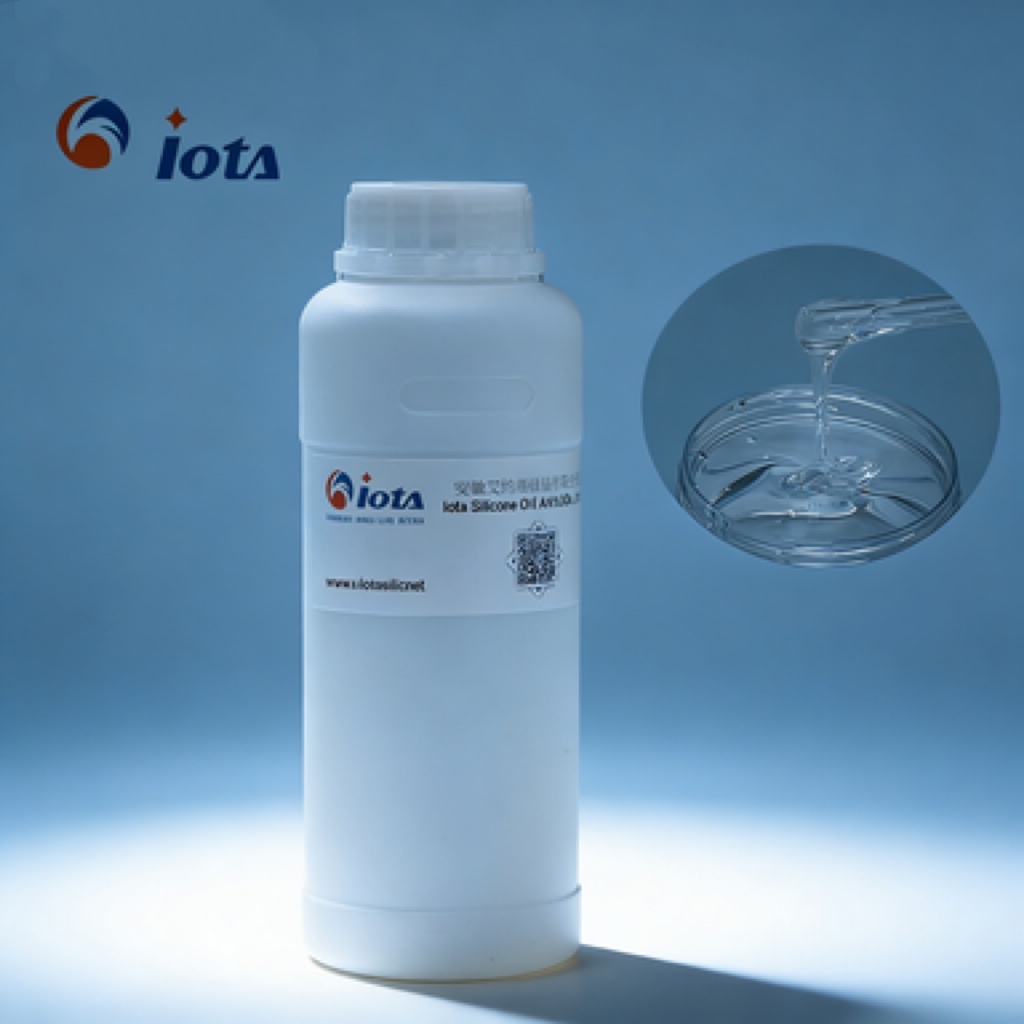
Polydimethylsiloxane (PDMS), commonly known as Methyl Silicone Oil, is the foundational workhorse of the entire silicone industry. While its growth rate in 2026 is more modest compared to its specialty cousins, its market position as a versatile, cost-effective solution for countless industrial and consumer applications remains unshaken. Its unique combination of high dielectric strength, excellent weatherability, low surface tension, high compressibility, and a remarkably flat viscosity-temperature curve makes it the default choice for roles ranging from a transformer oil and mechanical lubricant to an anti-foaming agent and mold release agent.
The first half of 2026 has seen a modest but steady increase in demand, primarily driven by a gradual recovery in global manufacturing. Key downstream sectors such as home appliance production, automotive parts manufacturing, and general industrial machinery have shown positive growth, bolstering demand for standard-grade methyl silicone oil. Its role as a base fluid in polishes, softeners, and hydraulic fluids remains significant, particularly in emerging economies undergoing industrialization.
However, the methyl silicone oil industry is not without its challenges. The primary headwinds in 2026 are environmental regulations and the need for product differentiation. Traditional manufacturing processes for methyl silicone oil often involve catalysts and solvents that are facing tighter emissions limits. In response, industry leaders are pivoting towards process innovation and high-value formulations. Recent patent filings, for instance, reveal research into reacting hydroxyl-terminated PDMS with specific modifying agents. The goal is to create methyl silicone oil with enhanced reactivity, addressing a long-standing industry pain point: the "bleeding out" of non-reactive silicone oil from silicone potting compounds and sealants.
While facing competition from hydrogen silicone oil and fluorinated fluids in the premium liquid cooling market, methyl silicone oil retains a decisive cost advantage in medium- to low-end heat transfer applications like transformer oils and industrial HVAC chillers. The future of the methyl silicone oil market lies not in capacity expansion, but in product refinement—moving up the value chain into food-grade, medical-grade, and other highly purified, specialized applications where its inertness and safety profile are paramount.