Hits: 293 img
Global Hydrogen Silicone Oil Market Reaches RMB 3.37 Billion in 2025, Textile Processing Remains Largest Application Segment
China leads global market with 36% share; 1.5%-1.6% hydrogen content products dominate
According to the latest industry research report released by QYResearch, the global hydrogen silicone oil market revenue reached approximately RMB 3.373 billion in 2025 and is projected to approach RMB 5.567 billion by 2032, representing a compound annual growth rate (CAGR) of 7.5% from 2026 to 2032. Other research data indicates that the global hydrogen silicone oil market sales were approximately $456 million to $467 million USD in 2025, demonstrating steady growth momentum.
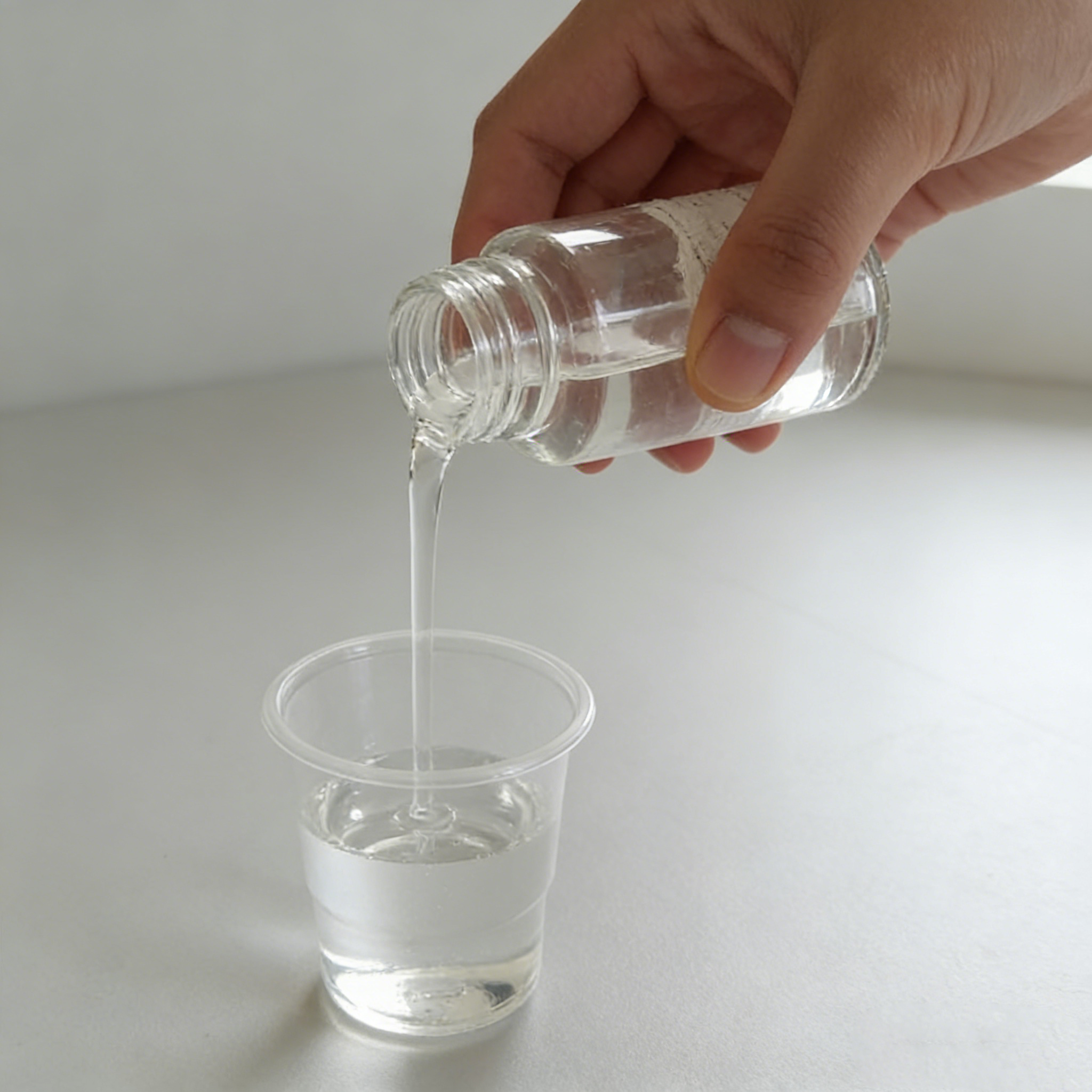
Hydrogen silicone oil is a critically important product among silicone oil varieties. Its molecular chain contains reactive silicon-hydrogen bonds (Si-H bonds), which enable crosslinking at appropriate temperatures in the presence of metal catalysts, forming a dense waterproof film on various substrate surfaces. Consequently, hydrogen silicone oil is widely used as a water repellent, release agent, or anti-corrosion agent for textiles, paper, metals, leather, wood, glass, cement, ceramics, and marble, as well as a key treating agent for dry powder fire extinguishers.
From a regional perspective, China is the world's largest hydrogen silicone oil market, accounting for approximately 36% of the global market share, followed by Europe and North America with approximately 25% and 20% shares respectively. China's leading position benefits from its comprehensive organosilicon industry chain and vast downstream application market. The rapid growth of the Chinese market is not only driven by robust domestic demand but also supported by the continued expansion of domestic silicone monomer production capacity, which now accounts for over 70% of global capacity.
From a product segmentation perspective, hydrogen silicone oil with a hydrogen content of 1.5%-1.6% is the dominant product in the current market, accounting for approximately 81% of the share. Products in this hydrogen content range offer an optimal balance of reactivity and stability, meeting the requirements of most application scenarios. High-hydrogen-content silicone oil (hydrogen content >1.6%) is primarily used in specialty applications requiring higher crosslinking density.
From an application perspective, textile processing represents the largest downstream market for hydrogen silicone oil, accounting for approximately 42% of the share. In the textile industry, hydrogen silicone oil serves as a water-repellent finishing agent, imparting excellent water repellency and soft handfeel to fabrics. Building materials waterproofing and crosslinking agent applications rank as the second and third largest markets. Additionally, hydrogen silicone oil serves as a foundational intermediate in the organosilicon materials system, acting as a starting material for producing various functional silicone oils including long-chain alkyl-modified silicone oil, polyether-modified silicone oil, and epoxy-modified silicone oil.
In terms of global competition, the hydrogen silicone oil market exhibits relatively high concentration, with Bluestar, Dow, and Momentive collectively accounting for approximately 50% of global market share. Wacker Chemie and Shin-Etsu Chemical also maintain strong competitiveness in high-end product segments. Meanwhile, Chinese domestic enterprises including Xin'an Chemical, Hoshine Silicon, Dongyue Organosilicon, Zhejiang Kaister, and Jiangxi Pinhan New Materials are rapidly emerging, continuously advancing capacity expansion and technological upgrading.
Market analysis indicates that key drivers of hydrogen silicone oil market growth include: sustained demand growth for high-performance water repellent treatments in downstream textile and construction industries; rigid demand as a crosslinking agent for addition-cure silicone rubber and starting material for various modified silicone oils; and pull effects from emerging sectors including new energy vehicles and electronic information. As environmental regulations become stricter and downstream applications shift toward higher-end uses, enterprises with technological advantages and product differentiation capabilities will occupy favorable positions in market competition.