Hits: 192 img
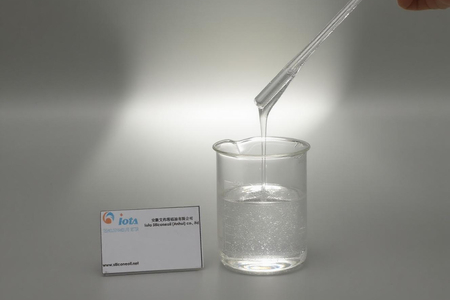
Phenyl silicone oil is a type of silicone material in which phenyl groups are incorporated into the molecular structure of polysiloxane. Compared with conventional methyl silicone oil, the introduction of phenyl groups changes the molecular structure and may affect physical properties such as thermal stability, low-temperature fluidity, viscosity characteristics, and material compatibility.
In industrial lubrication, thermal management, precision instruments, specialty fluids, and other functional applications, operating temperature is often an important factor in silicone oil selection. However, not all phenyl silicone oils have the same high- or low-temperature performance. Actual performance depends on factors such as phenyl content and distribution, molecular structure, viscosity grade, operating environment, and application requirements.
Therefore, phenyl silicone oil should not be selected solely by its product name or a single temperature-related parameter. The actual operating temperature, continuous operating time, temperature fluctuations, and system conditions should all be considered.
Phenyl silicone oil contains phenyl groups within its polysiloxane molecular structure, giving it characteristics that differ from those of conventional methyl silicone oil. The incorporation of phenyl groups may affect thermal properties, refractive index, viscosity-temperature behavior, and low-temperature performance.
However, phenyl content is not the only factor determining temperature resistance. Different products may have different molecular structures, phenyl distributions, and formulation characteristics. Therefore, a higher phenyl content does not automatically mean better performance in every application.
Viscosity directly affects the flow, pumpability, lubrication, and low-temperature startup performance of silicone oil.
For systems requiring low-temperature startup or circulation, particular attention should be paid to viscosity and fluidity at the target temperature. For high-temperature applications, viscosity under operating conditions, volatile loss, and long-term thermal stability should also be evaluated.
It is important to note that a lower viscosity at room temperature does not necessarily indicate better low-temperature performance. Room-temperature viscosity alone is also insufficient to predict service life at elevated temperatures.
The same silicone oil may perform differently in different equipment and environments. For example, open oil baths, closed circulation systems, lubricated components, and applications involving repeated thermal cycling may impose different requirements.
Under high-temperature conditions, factors such as oxygen exposure, heating duration, localized overheating, and contaminants may affect material aging. Under low-temperature conditions, equipment startup requirements, flow resistance, sealing materials, and the rate of temperature change also need to be considered.
Consequently, a product's stated temperature-related parameters should not automatically be interpreted as its maximum continuous operating temperature under every condition.
Before selecting a product, determine the normal operating temperature, maximum peak temperature, and duration of exposure to elevated temperatures.
For equipment operating at high temperatures for extended periods, priority should be given to technical data related to long-term thermal stability rather than short-term temperature resistance or flash point alone.
Flash point, thermal decomposition characteristics, and recommended operating temperature describe different properties and should not be used interchangeably. Flash point is not a direct indication of the maximum allowable continuous operating temperature of silicone oil.
For high-temperature applications, the following parameters should be considered:
Thermal stability: Whether the material maintains the required performance under the target temperature and exposure time.
Viscosity changes: Whether prolonged heating causes viscosity changes that affect pumping, lubrication, or heat transfer.
Volatile loss: Whether evaporation or other mass loss during high-temperature operation becomes unacceptable.
Appearance and residue: Whether heat aging causes discoloration, deposits, or other changes that may affect the application.
System compatibility: Whether the silicone oil is compatible with seals, metals, plastics, and other materials it contacts.
Acceptance criteria should be established according to the specific application. Whenever possible, refer to the technical data sheet (TDS) for the exact product grade and confirm its suitability through application testing.
High-temperature heat-transfer systems: In addition to thermal performance, evaluate viscosity at operating temperature, circulation resistance, volatile loss, and compatibility with system materials.
High-temperature lubrication and release applications: Consider lubrication performance, surface residue, material compatibility, and performance changes after prolonged heating. The thermal performance of a base fluid alone does not guarantee that a finished release-agent or lubricant formulation will perform as expected.
High-temperature formulations and material processing: When phenyl silicone oil is used as a formulation ingredient, the other components, processing conditions, and thermal-aging performance of the finished product should also be considered. The properties of the base fluid are not necessarily equivalent to those of the final formulation.
For equipment operating continuously at elevated temperatures or applications where downtime is costly, testing under conditions representative of actual use is recommended.
Depending on the application, relevant properties may be compared before and after heating, including viscosity, mass change, appearance, and residue. If repeated heating and cooling occur during service, performance after thermal cycling should also be evaluated.
Such testing provides a more reliable basis for determining whether a specific product grade is suitable for the intended operating conditions.
For low-temperature applications, freezing point, pour point, and actual operating capability are not equivalent.
Freezing point or pour point can provide information about a material's behavior at low temperatures, but these values alone cannot demonstrate that the silicone oil will meet equipment requirements for startup, circulation, lubrication, or damping at that temperature.
For low-temperature instruments, outdoor equipment, and systems requiring cold startup, viscosity and actual flow behavior at the target temperature should also be confirmed.
As temperature decreases, liquid viscosity generally changes. In equipment that requires pumping or circulation, excessive viscosity may increase startup resistance, pump load, or the risk of restricted flow.
Before selecting a product, clarify the following requirements:
The minimum temperature at which the equipment must start.
The acceptable startup time and resistance at low temperatures.
Whether continuous circulation or precise flow control is required.
The requirements for lubrication, damping, or response speed during low-temperature operation.
If the supplier provides only room-temperature viscosity data, request viscosity data or other relevant performance information at the target low temperature. Testing under actual operating conditions may also be necessary.
Low-temperature startup and circulation systems: Prioritize viscosity at the target temperature, pumpability, and startup performance.
Precision instruments and damping applications: In addition to low-temperature fluidity, consider how viscosity changes with temperature and whether the equipment maintains the required response across its operating range.
Environments with alternating high and low temperatures: If equipment repeatedly experiences heating and cooling, evaluate high-temperature aging, low-temperature fluidity, and performance after thermal cycling. Do not select a product based only on its low-temperature specifications.
It is not advisable to select a product solely because it has the lowest pour point or freezing point. Even if a particular grade exhibits favorable low-temperature fluidity, its high-temperature stability, volatile loss, viscosity range, and material compatibility must still meet the application's requirements.
For equipment exposed to both high and low temperatures, the entire operating temperature range should be considered. Performance should be verified under continuous operation, short-term temperature peaks, and temperature cycling, as applicable.
| Selection Factor | High-Temperature Applications | Low-Temperature Applications |
|---|---|---|
| Key temperature conditions | Continuous operating temperature, peak temperature, exposure duration | Minimum startup temperature, minimum operating temperature |
| Viscosity requirements | Viscosity changes and performance at elevated temperatures | Low-temperature viscosity, fluidity, and startup resistance |
| Key performance indicators | Thermal stability, volatile loss, heat-aging behavior | Low-temperature fluidity, viscosity-temperature behavior, startup performance |
| Environmental factors | Oxygen exposure, localized overheating, operating duration | Cold startup, circulation method, seals, and contact materials |
| Verification methods | Heat-aging tests, mass change, viscosity change, residue evaluation | Low-temperature viscosity testing, startup or circulation tests |
| Selection principle | Do not use flash point or short-term temperature resistance as a substitute for long-term operating capability | Do not use pour point or freezing point as a substitute for actual operating performance |
This is not necessarily true. Different product grades may have different molecular structures, viscosities, and technical specifications. Selection should be based on the data and test results for the specific product.
Flash point describes the ignition behavior of vapors under specified test conditions. It does not directly represent long-term thermal stability or the maximum recommended continuous operating temperature.
Pour point does not fully characterize low-temperature viscosity, pumpability, or equipment startup behavior. For low-temperature applications, viscosity data at the target temperature and actual startup testing should also be considered.
Phenyl content is only one factor affecting performance. Different products may offer different balances of thermal stability, low-temperature fluidity, viscosity, and other application-specific properties. The appropriate grade should be selected according to actual requirements.
When phenyl silicone oil is used in lubricants, release agents, heat-transfer formulations, or other blended systems, final performance may also depend on additives, fillers, substrates, and processing conditions. Suitability should therefore be verified in the final formulation or actual equipment.
This cannot be determined categorically from the product type alone. The introduction of phenyl groups changes the molecular structure and may affect certain properties, but actual temperature performance depends on the specific grade, technical specifications, and operating conditions. Compare the technical data for the relevant products rather than relying solely on their names.
The key parameters depend on the application. In general, consider the recommended operating conditions, thermal stability, viscosity changes, volatile loss, and performance after heat aging. For systems operating continuously, data obtained under representative long-term operating conditions are particularly important.
No. Flash point and maximum continuous operating temperature have different definitions and testing purposes. Refer to the operating conditions specified in the product's technical documentation and verify suitability under the actual system conditions.
Confirm the minimum startup temperature, viscosity at the target temperature, fluidity, and equipment operating requirements. Pour point or freezing point may be useful reference parameters, but they do not replace low-temperature viscosity data or actual startup testing.
Some products may be suitable for a relatively broad operating temperature range, but this capability should not be assumed for all phenyl silicone oils. For applications involving alternating high and low temperatures, verify the performance data for the specific grade and conduct thermal-cycling or application-specific tests where appropriate.
Operating temperature, service duration, system enclosure, contact materials, circulation method, and contamination can all affect performance. Product selection should therefore consider the actual system conditions rather than relying on a single laboratory parameter.
Request the technical data sheet (TDS) and review viscosity, temperature-related parameters, test conditions, recommended applications, and storage requirements. For low-temperature startup or long-term high-temperature applications, you may also ask whether viscosity data at the relevant temperatures, heat-aging results, or other application-specific test data are available.
For demanding temperature conditions, long operating periods, or applications with strict equipment reliability requirements, sample testing is recommended. Test methods should reflect the intended application and may include high-temperature heat aging, low-temperature startup, viscosity change, material compatibility, or thermal-cycling tests.
Selecting phenyl silicone oil for high- or low-temperature applications is not simply a matter of choosing the highest or lowest temperature value. The key is to determine whether the material can consistently meet the requirements of the intended operating conditions.
For high-temperature applications, focus on long-term thermal stability, viscosity changes, volatile loss, and heat-aging behavior. For low-temperature applications, prioritize viscosity, fluidity, and equipment startup capability at the target temperature. For applications involving temperature cycling, evaluate performance at both temperature extremes and after repeated heating and cooling.