Hits: 20 img
Precision Synthesis and Functional Modification Drive Ethyl Silicone Oil Innovation: Ultra-High Viscosity Grades and Low-VOC Formulations Lead Technology Development
The ethyl silicone oil industry is witnessing significant technological innovation in 2026. From ultra-high-viscosity grades for precision damping applications to ultra-low-viscosity fluids for deep-penetration release agents, advances in synthesis and purification are expanding application boundaries and enabling new use cases across multiple high-value sectors.
Breakthrough 1: High-Purity Synthesis Achieving 99% Specifications
High-purity ethyl silicone oil has become essential for medical, electronics, and personal care applications. Products achieving 99% purity specifications are now commercially available, with applications across multiple industrial sectors . Medical-grade variants represent a high-opportunity segment, with approximately 12% of current production dedicated to wound healing and medical formulation applications. Approximately 15% of R&D investment in the silicone oil sector is currently focused on developing pharmaceutically compatible variants .
These medical-grade oils are increasingly used in therapeutic dressings, hydrogels, and topical formulations designed to promote moisture retention and facilitate skin recovery. Additionally, nearly 8% of healthcare OEMs now integrate silicone oils into sterile packaging processing systems, representing a rapidly growing segment with strong regulatory interest and long-term demand stability .
Breakthrough 2: Ultra-Low-Viscosity and High-Viscosity Grade Development
Ethyl silicone oil product development is advancing in two distinct directions, each with unique technical challenges and market opportunities :
Ultra-High Viscosity (>50,000 cSt): These grades are designed for high-damping applications in precision instruments and heavy machinery lubrication. Synthesizing ultra-high-viscosity ethyl silicone oil requires overcoming challenges related to maintaining active centers and preventing chain transfer during polymerization, making it a technically demanding process that commands significant technical premiums .
Ultra-Low Viscosity (10-100 cSt): These grades are used for deep-penetration release agents and defoamers, as well as base oils for functional additives. Ultra-low-viscosity ethyl silicone oil has exceptionally high purification requirements, needing effective removal of residual monomers and oligomers to achieve the purity levels required for sensitive applications .
Both product categories command significant technical premiums and serve as demonstrations of manufacturer technical capability, positioning producers for premium pricing in high-value market segments.
Breakthrough 3: Functional Modification for Enhanced Performance
Through the introduction of polar functional groups such as amino, epoxy, and polyether groups, manufacturers are developing specialty ethyl silicone oil variants with self-emulsifying properties, enhanced adhesion, or specific surface performance characteristics . These functionalized variants open new application possibilities in crosslinkable coatings, personal care formulations, and specialty lubricants.
Reactive ethyl silicone formulations are being developed for crosslinking coating systems, providing enhanced durability and chemical resistance . Functionalized variants offer improved boundary lubrication and anti-wear properties for demanding mechanical applications, as well as enhanced spreadability and skin feel for premium skincare and cosmetic products.
Breakthrough 4: Low-VOC and Bio-Based Formulations
In response to tightening environmental regulations, manufacturers are developing low-VOC and bio-based ethyl silicone oil products . Process optimization has enabled production of grades with volatile organic compound content below 0.1%, meeting stringent requirements for food contact and medical-grade materials .
Bio-based ethyl silicone oil using plant-derived ethyl groups is being explored, reducing carbon footprint by approximately 40% compared to traditional petroleum-based products. This development aligns with global "Dual Carbon" goals and the broader industry shift toward sustainable manufacturing practices .
Low-volatility and reactive silicone grades currently influence nearly 46% of purchasing preferences, with quality-certified products accounting for approximately 12% of total usage across industries .
Product Performance Specifications
Commercial-grade ethyl silicone oil products achieve the following performance characteristics :
| Property | Specification |
|---|---|
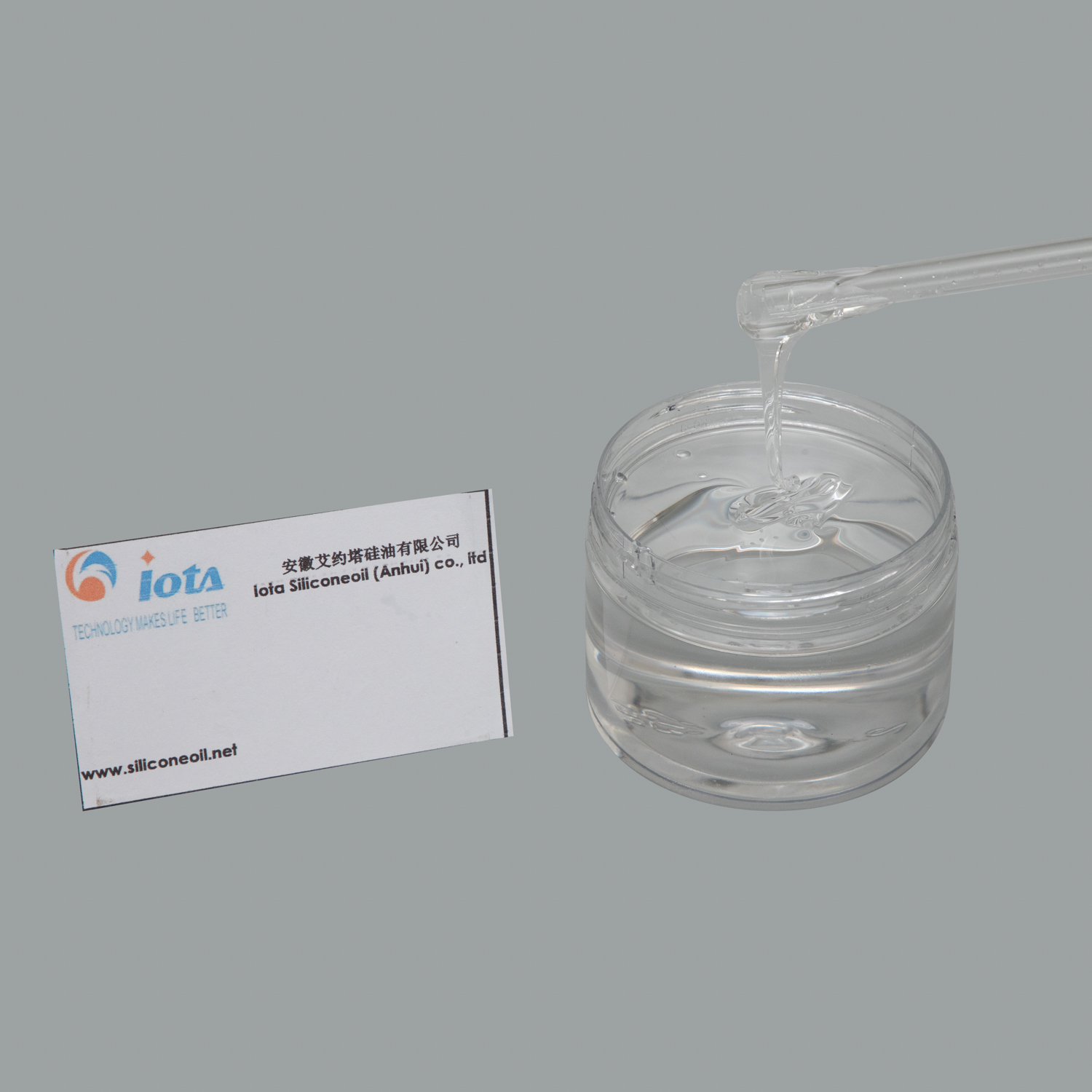
| Appearance | Colorless to light yellow transparent liquid |
| Purity | Up to 99% |
| Operating Temperature | -80°C to 150°C |
| Decomposition Temperature | 320-350°C |
| Surface Tension | 18-20 mN/m |
| Freezing Point | Very low, no crystallization |
| Volatility | Low, ensuring long service life |
| Toxicity | Non-toxic, non-corrosive to metals |
| Dielectric Properties | Excellent for electrical insulation |
Regulatory Compliance and Purity Standards
The ethyl silicone oil market is characterized by high purity standards, particularly in medical-grade and personal care sectors, which together account for over 20% of total sales . Approximately 5% of suppliers face restrictions due to inadequate certification, particularly regarding hydrogen content levels and the absence of volatile impurities. The cost of upgrading facilities to meet stringent requirements has increased operating expenditures for certified producers by nearly 40%, creating barriers for new entrants and limiting price competitiveness in regulated end-use sectors including wound healing care and personal therapy product lines .